
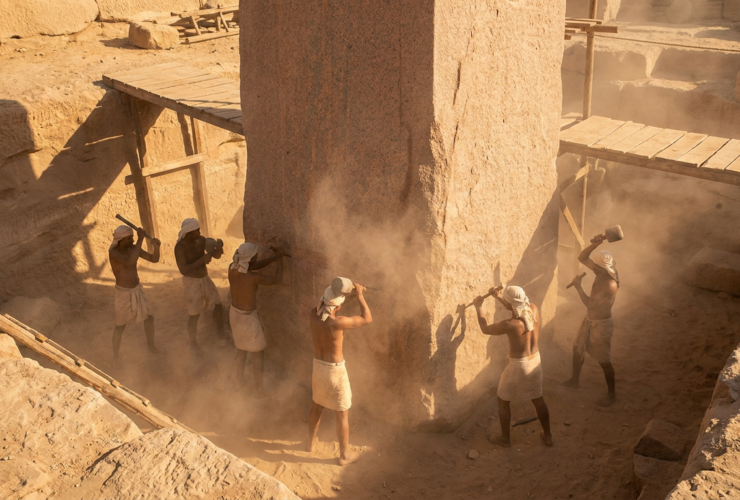
Egyptians cut obelisks from single granite blocks at Aswan, then floated them down the Nile by barge in flood season for raising at temple sites intact. ...
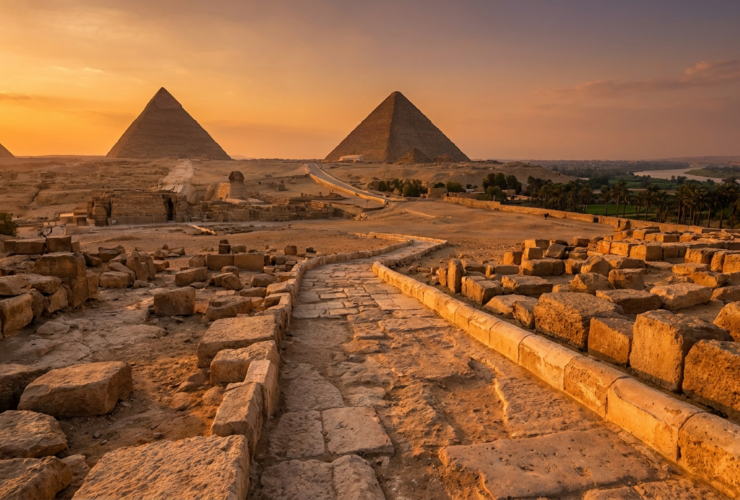
The Egyptians built the pyramids of Giza on that plateau for stable limestone bedrock, Nile access for stone transport, and a desert edge sparing farmland. ...
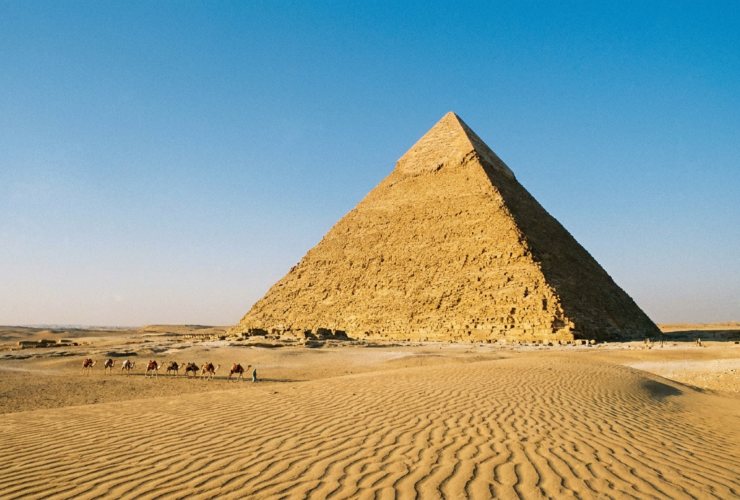
Discover why no construction blueprint of the Great Pyramid of Giza survives and what ScanPyramids scans have actually revealed inside its hidden chambers. ...
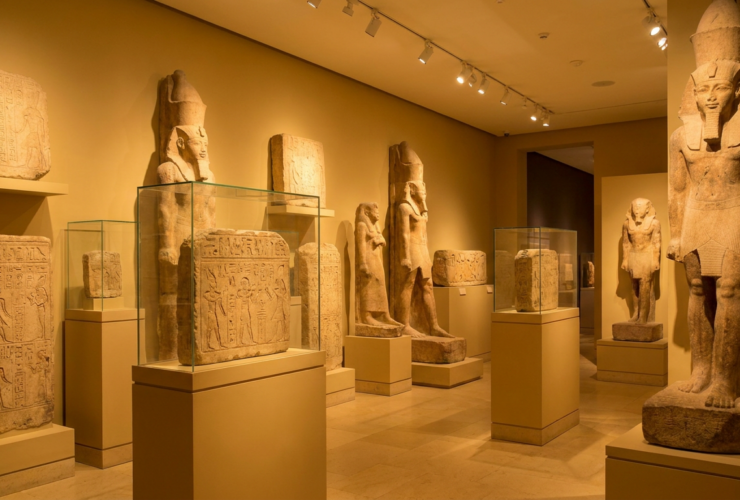
Three ancient egypt artifacts, the Narmer Palette, Rosetta Stone, and Merneptah Stele, forced historians to rewrite key dates in Egyptian chronology forever. ...
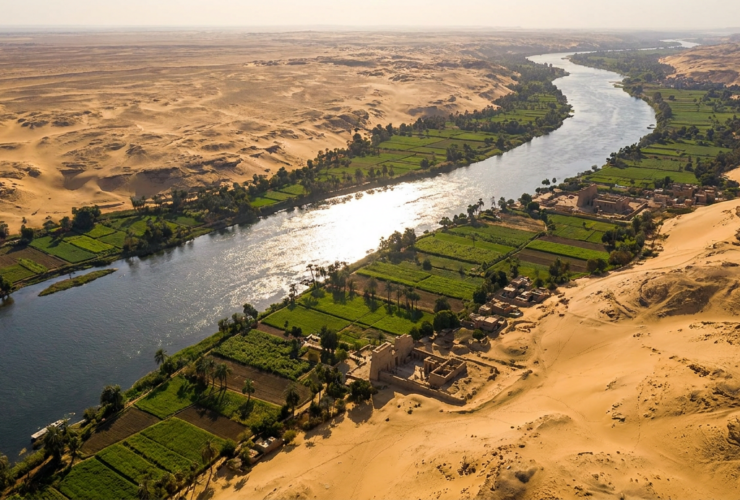
The ancient egypt map is really one river. See how the Nile flood cycle, cataracts, and deserts built, fed, and defended the Egyptian empire for millennia. ...
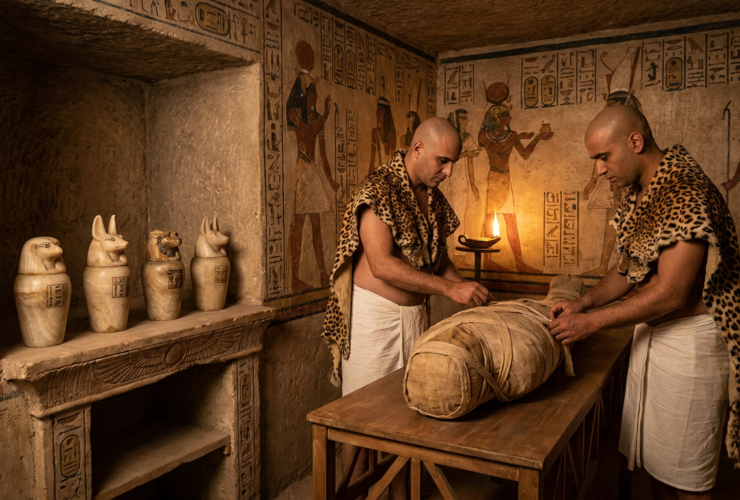
The ancient Egypt mummification process took 70 days: organ removal, 40 days in natron, then wrapping. Here is what Herodotus and CT scans confirm. ...
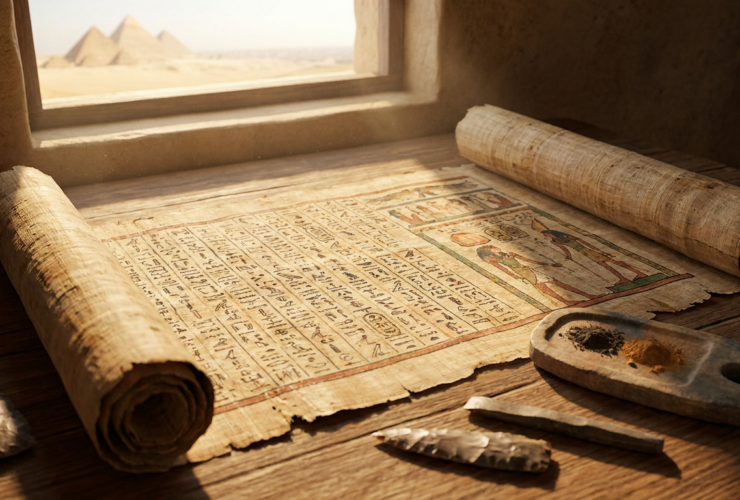
Discover ancient egypt inventions still shaping your daily routine today, from papyrus paper and toothpaste to surgical tools, wigs, calendars, and locks. ...
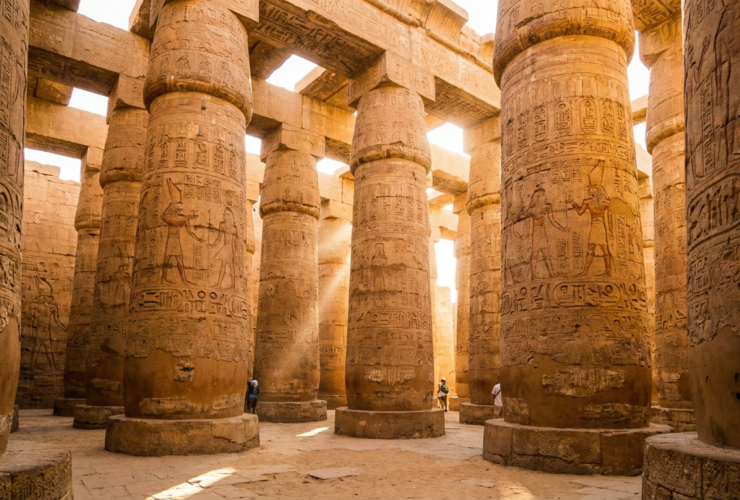
Ancient Egypt architecture goes beyond the pyramids: temples, obelisks, mudbrick homes and Nile irrigation reveal how Egyptians really built and lived. ...

Ancient Egypt clothing wasn't random: pleating, dye and jewelry marked social rank. See what tomb art and surviving textile fragments reveal about status. ...
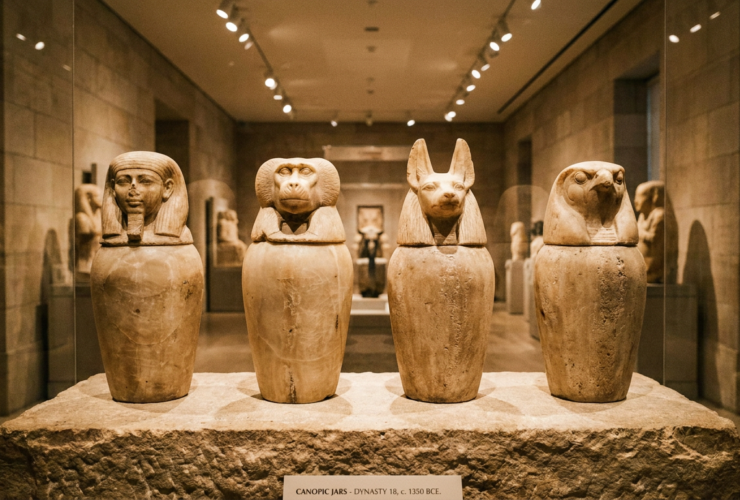
Canopic jars stored ancient Egyptian organs during mummification. See which organ each of the four sons of Horus protected, and why the heart stayed put. ...