
An empty Dubai flat keeps working on itself while you are away. Here is what actually fails, from mould to power faults, and what a contract still misses. ...
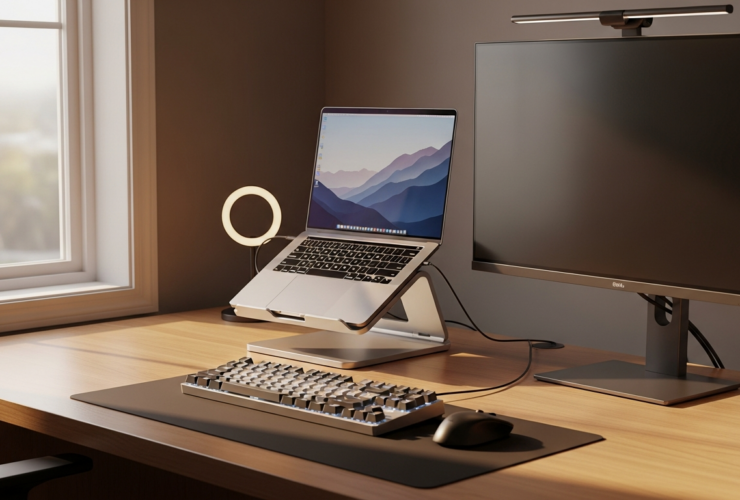
Build the remote work setup that improves your output. Desk, chair, monitor, audio, internet redundancy, and ergonomics for home and portable use. ...

The remote work tips that actually matter surface around year two. Protect focus time, communicate async, and avoid burnout before it starts. ...

Find the best remote companies to work for, what separates truly remote-first employers, and how to vet them before you apply. ...

Side hustle ideas to make extra money in 2026, with honest income ranges, time-to-first-dollar, and which options work for part-time hours. ...

The best work-from-home jobs hiring now, from virtual assistant to software dev, with realistic pay ranges, scam red flags, and where to apply. ...

The best productivity books ranked honestly, from Deep Work to Four Thousand Weeks. A remote worker's real reading list with takes that might surprise you. ...

NAND, DRAM, HBM, all-flash arrays: these 8 stocks own the hardware the AI boom runs on. Prices, fundamentals, and honest bull/bear for each name. ...

Five documented Reddit paths to $1M net worth on under $100K salaries. Teachers, mechanics, frugal couples. The math behind each one. ...

The coliving industry has consolidated around a handful of brands that operate across multiple countries with relatively standardized experiences. Three brands appear most frequently in nomad discussions: Outsite, Selina, and Sun and Co. Each has a distinct identity, pricing model, ...