
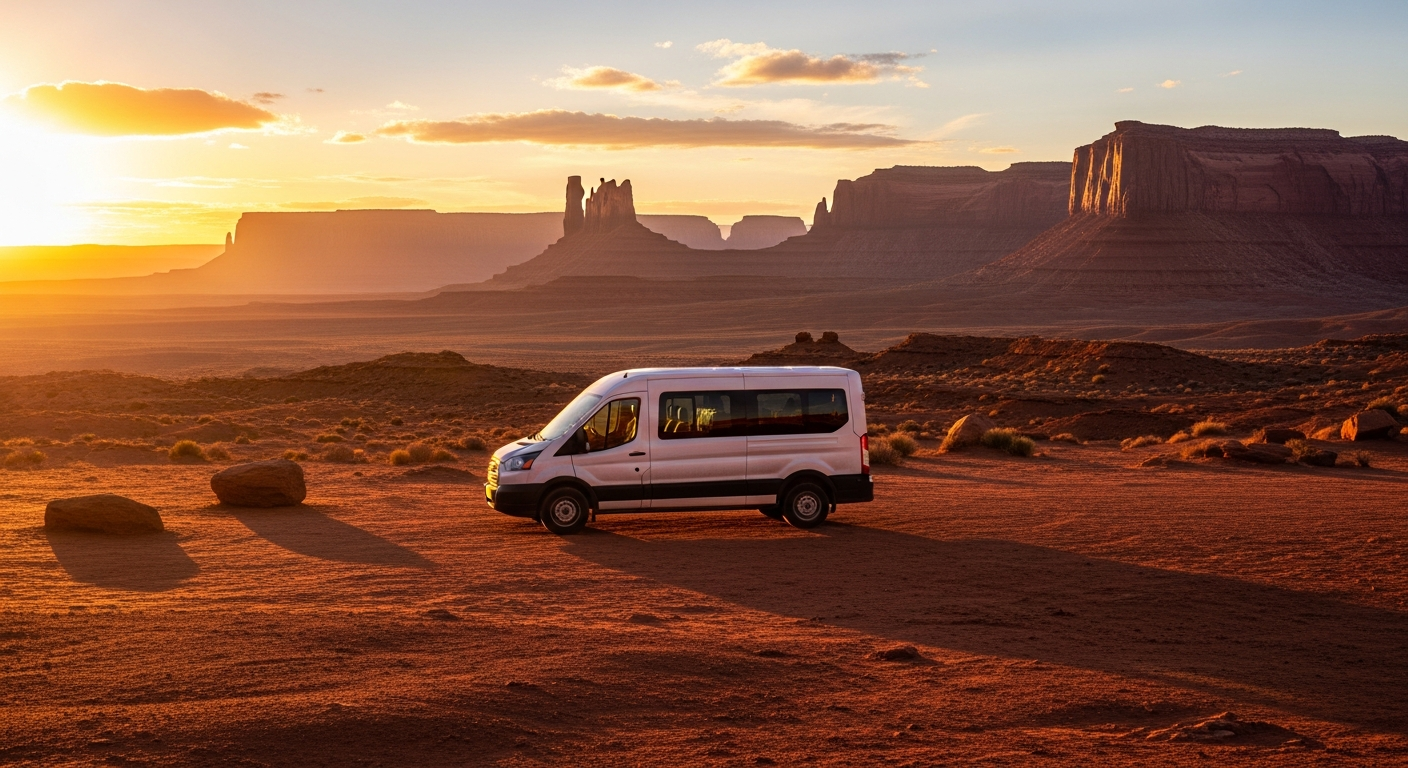
The US has roughly 640 million acres of public land where you can legally sleep in your van, pitch a tent, or drop a hammock for free. Most people have no idea it exists.
Dispersed camping on Bureau of Land Management (BLM) land and National Forest land is the backbone of free camping in America. These are multiple-use lands where camping is permitted in undeveloped areas unless a sign says otherwise. No permit. No reservation.
Where Free Camping Is Legal in the US
BLM land covers about 245 million acres, concentrated in western states: Nevada, Wyoming, Idaho, Utah, Arizona, Colorado, New Mexico, Oregon, California, and Montana. The rule is 14 days in any 28-day period at one location, then move at least 25 miles.
National Forests add another 193 million acres. Dispersed camping is allowed unless you are within a quarter mile of a developed site or body of water. Stay limits are typically 14 days.
National Grasslands fall under USDA Forest Service jurisdiction and follow similar rules. Less talked about, often empty.
What does NOT allow free camping: National Parks, state parks (with rare exceptions), and private land. National Recreation Areas have their own rules, so check per-unit before you arrive.
Apps and Tools That Actually Work
Freecampsites.net is the community gold standard. User-submitted GPS coordinates, road condition notes, and recent reviews. Free to use.
iOverlander covers international routes and works offline. The Dyrt has a strong US user base including dispersed sites, though some features need a paid tier.
For ground-truth land ownership, use onX Offroad or the BLM’s own GeoPDF maps at blm.gov. These show boundaries so you know you are on public land, not a private ranch.
If you are thinking about longer-term nomadic setups, the cost math between van camping, coliving, and apartment renting is worth running before you commit. Coliving vs. apartment vs. housesitting breaks down what actually pencils out month-to-month.
Rules That Keep You Legal
The 14-day stay limit is federal policy on most BLM and National Forest land. Some high-traffic areas have shorter limits posted on signage. After your time is up, move at least 25 miles on BLM, or out of the ranger district on National Forest land.
No campfire rings or structures. Dispersed means dispersed. Digging, clearing vegetation, or building anything turns legal camping into unpermitted land alteration.
Campfire rules shift by season. Western forests run fire restrictions roughly June through October. Violations carry fines up to $5,000 during active restrictions. Always check the specific forest or BLM field office before building a fire.
Pack out everything. Leave No Trace principles underlie all dispersed camping allowances. Human waste must be buried in a cat hole at least 200 feet from water, trails, and camp.
Site Selection and Safety
Camp at least 200 feet from water sources. This protects riparian ecosystems, keeps you legal, and puts you on higher ground when afternoon thunderstorms roll in fast across the Rockies or desert Southwest.
Check for widow-makers before sleeping under trees. Dead branches overhead are a real hazard after wind. Two minutes scanning the canopy is worth it.
Cell service is often nonexistent on dispersed sites. Download maps offline before leaving pavement. A SPOT or Garmin inReach satellite communicator is worth carrying if you are solo in remote terrain.
Gear fatigue is real after weeks on the road. Knowing the signs of digital nomad burnout early gives you room to course-correct before you are dragging.
Sleep Quality on the Road
Free campsites are rarely flat. Most experienced van lifers carry a bubble level and leveling blocks. Sleeping on a 3-degree tilt for a week wrecks your back faster than any long drive.
A quality pillow matters more than most people expect when the sleeping surface changes every few nights. Our camping pillow guide covers what holds up across different sleep positions and temperatures.
Frequently Asked Questions
Can you camp anywhere on BLM land for free?
Generally yes, but not literally anywhere. You must be outside developed campgrounds and fee areas, respect posted closures, and follow the 14-day limit. Some BLM units near popular areas like Moab have additional restrictions. Confirm with the local field office if unsure.
Is dispersed camping allowed in all National Forests?
Most National Forests allow it, but each forest sets its own stay limits, restricted zones, and fire rules. The USDA Forest Service site has individual forest maps and motor vehicle use maps showing exactly where you can legally camp. Never assume rules transfer between forests.
What happens if you overstay the 14-day limit?
Rangers can issue a notice to move or, if ignored, a citation. Fines typically run $75 to $250 for a first offense. Repeat violations can escalate to misdemeanor charges. The limit exists because popular sites get destroyed by long-term squatting.